
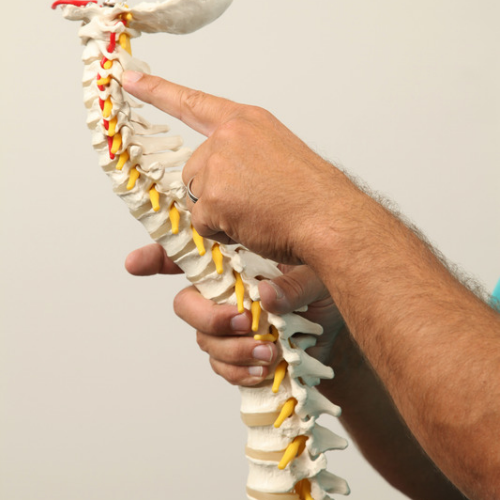
Chronic pain can change the way you spend your day. A stiff neck makes working at a computer uncomfortable. Persistent back pain interrupts sleep. Activities you once enjoyed may require more planning, more breaks, or more effort.
Managing ongoing pain starts with understanding its cause and finding ways to improve daily function. For some musculoskeletal conditions, chiropractic care may be one part of that approach, alongside exercise, education, and appropriate medical treatment.
For people whose symptoms began after a collision, working with a Car Accident Chiropractor Denver can provide an opportunity to discuss persistent discomfort and explore whether chiropractic treatment fits their recovery needs.
Understanding Chronic Pain
Chronic pain generally refers to pain that lasts longer than three months. It can continue after an injury has healed or occur alongside an ongoing health condition. Its effects may extend beyond physical discomfort to sleep, mood, work, and relationships.
Persistent pain does not always mean that tissue damage is continuing. A thorough evaluation helps identify possible causes, contributing factors, and treatment options. The National Center for Complementary and Integrative Health emphasizes that chronic pain management often involves several approaches tailored to the individual.
Chiropractic care is most relevant to certain problems involving muscles, joints, and the spine. It is not a treatment for every cause of chronic pain.
1. May Help Reduce Certain Types of Back and Neck Pain
Spinal manipulation is one treatment chiropractors may use for musculoskeletal pain. It involves applying a controlled force to a spinal joint. Other hands-on approaches, such as mobilization, use slower movements.
Research suggests spinal manipulation may help some people with low-back pain. Evidence also indicates possible benefits for chronic nonspecific neck pain, although the quality of that evidence is limited. Results vary, and improvement should be assessed individually.
A worthwhile treatment plan sets realistic expectations. The aim may be to make symptoms more manageable and daily activities easier, even when complete pain relief is not immediately achievable.
2. Can Support Better Daily Function
Pain management becomes more meaningful when improvement shows up in everyday life.
For one person, progress means sitting comfortably through dinner. For another, it means walking farther, lifting groceries, or returning to a favorite activity. These goals help connect treatment to what matters outside the clinic.
For chronic nonspecific neck pain, research suggests spinal manipulation may improve function as well as pain in some patients. That does not establish the same benefit for every diagnosis or for pain following a car accident.
Your provider should track practical changes and use them to decide whether the treatment plan is helping.
3. Offers a Nonmedication Treatment Option
Some people want to explore ways to manage musculoskeletal pain without adding another medication. Chiropractic treatment can offer a nonmedication option when the diagnosis and examination support its use.
Spinal manipulation is among the approaches included in clinical guidance for certain types of low-back pain. Its suitability depends on your symptoms, preferences, medical history, and other treatment needs.
Choosing this option does not require abandoning medical care. Tell every provider about the treatments and medications you use, and discuss medication changes with the prescribing clinician.
4. Can Complement an Active Recovery Plan
Hands-on treatment should have a clear role within a broader plan. Ask how it will help you become more active, manage symptoms between visits, and work toward greater independence.
This is particularly important when persistent symptoms follow whiplash. Whiplash guidance emphasizes staying active and using appropriate exercises. Manual therapy has more limited supporting evidence and should be monitored closely rather than continued automatically.
Useful questions include:
Which activities can I safely continue?
What exercises are appropriate for my condition?
How should I respond to a symptom flare?
When should we reassess the plan?
Clear answers help you understand your role in recovery.
5. Provides Opportunities to Review Progress
Chronic pain can fluctuate. A difficult day does not necessarily mean treatment has failed, just as temporary relief does not prove a lasting benefit.
Agree on measurable goals before beginning care. These might include walking duration, sitting tolerance, neck movement, or the ability to complete a specific task.
Regular reviews should consider whether those goals are being reached. If improvement stalls, symptoms change, or treatment repeatedly aggravates pain, your provider should reconsider the approach and whether additional medical evaluation is needed.
If you are searching for a Car Accident Chiropractor Aurora CO, ask how the practice measures outcomes and determines when to change or conclude treatment.
Understanding Treatment Risks
Chiropractic treatment requires the same thoughtful discussion of benefits and risks as other healthcare services.
Temporary soreness, stiffness, or increased discomfort can occur after spinal manipulation. Rare serious complications have also been reported. Neck manipulation has been associated with arterial tears that can lead to stroke, although how often this occurs and the causal relationship remain uncertain. A provider should explain relevant risks and alternatives before treatment.
Share your complete medical history, including medications and previous injuries. New weakness, tingling, or difficulty walking after a neck injury warrants prompt medical attention.
Find a Plan That Fits Your Needs
The benefits of chiropractic care depend on the condition being treated, the approach used, and your response. A useful plan combines realistic goals with regular reassessment and clear guidance about daily activity.
If your ongoing pain began after an accident, Accident Injury 5280 offers consultations focused on accident-related injuries. Dr. Braheem Tolbert and the team provide personalized care plans and a free 10-minute consultation to discuss your concerns.
Visit Accident Injury 5280 to discuss your symptoms and explore appropriate next steps toward more comfortable movement.