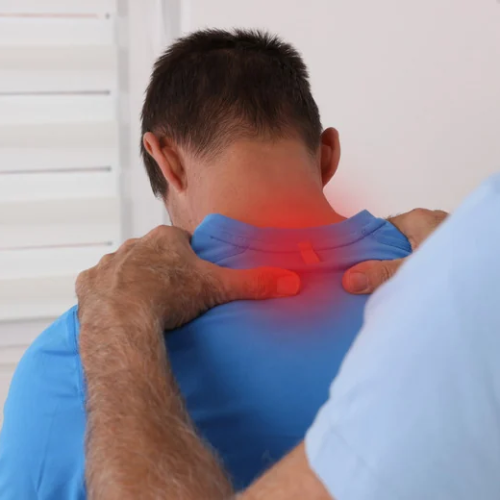

Feeling more comfortable after a chiropractic appointment is encouraging. Naturally, you want that improvement to continue when you return to work, get behind the wheel, or settle into your evening routine.
Although no daily habit can guarantee longer-lasting results, the choices you make between appointments can support your recovery. An adjustment does not permanently lock your spine into position. The goal is to improve comfort and function while building habits that help you move well.
If you are recovering from an accident, start with your provider’s guidance. These 12 practical steps can help you make the most of your care.
1. Understand Your Aftercare Instructions
Before leaving your appointment, ask what activities are appropriate for your injury. Find out whether you should modify work duties, exercise, or household tasks. Clear instructions make it easier to support your recovery without guessing what your body can handle.
2. Keep Moving Within Your Comfort Level
Unless your clinician recommends otherwise, avoid spending the entire day in bed. Gentle activity, such as a comfortable walk, can help you return to everyday movement. Start small and stop any activity that noticeably increases symptoms.
3. Break Up Long Periods of Sitting
A desk job or lengthy commute can leave you in the same position for hours. Build opportunities to stand, walk, and change positions into your day. During longer drives, plan safe stops so you can get out and move when appropriate.
4. Make Your Workspace More Comfortable
Notice whether you lean forward to read your screen or reach repeatedly for your mouse. Bring frequently used items closer and adjust your chair so your feet have support. Aim for a comfortable setup that allows movement instead of trying to hold one rigid posture all day.
5. Practice Your Prescribed Exercises
If your provider recommends home exercises, ask for a demonstration and clear instructions about repetitions and frequency. Choose a consistent time to practice them. Report discomfort so your routine can be adjusted rather than forcing your way through movements that hurt.
6. Build Strength Gradually
Feeling better does not automatically mean you are ready for your previous workout intensity. Ask when to restart resistance training and how to increase the load. A gradual return gives you an opportunity to assess how your symptoms respond before taking on more demanding activity.
7. Be Deliberate About Lifting
Before moving a heavy object, consider whether you need help. Keep manageable loads close to your body and turn with your feet rather than twisting while carrying them. Divide groceries or supplies into smaller loads when possible, especially while recovering from an injury.
8. Choose a Comfortable Sleeping Position
Pay attention to how you feel when you wake up. Side sleepers may find a pillow between the knees helpful, while back sleepers may prefer support beneath the knees. Ask your provider about positioning if neck or back discomfort regularly interrupts your sleep.
9. Protect Your Sleep Routine
Give yourself a consistent opportunity to rest by keeping regular sleep and wake times. If pain repeatedly keeps you awake, mention it during your next assessment. Sleep difficulties are useful information for your care team and should be addressed as part of your recovery plan.
10. Make Room for Relaxation
An accident can disrupt your schedule and leave you worried about work, driving, or daily responsibilities. Set aside a few minutes for slow breathing, a quiet break, or another calming activity you enjoy. Ask for additional support if stress is making recovery harder to manage.
11. Track Meaningful Changes
Keep brief notes about what improves and what triggers symptoms. Can you sit more comfortably, walk farther, or turn your head more easily? These details help your provider evaluate progress. The frequency of joint popping is not a useful recovery goal.
12. Reassess Your Plan With Your Provider
Follow-up visits should have a clear purpose, such as checking function, reviewing exercises, or assessing persistent symptoms. Ask what progress to expect and when the plan should change. If you are not improving, discuss reassessment rather than assuming you simply need more of the same treatment.
Know When Symptoms Need Medical Attention
Do not assume new or worsening symptoms are routine aftercare. Seek emergency care for back pain accompanied by new bladder or bowel problems, numbness around the groin, or weakness or numbness in both legs. Serious accident injuries also require prompt medical assessment.
Support Your Recovery With Accident Injury 5280
Recovery continues between appointments. Comfortable movement, appropriate exercise, and honest communication with your provider can help you work toward everyday activities with greater confidence.
Accident Injury 5280 focuses on accident-related injuries in the Denver area. If pain after a car accident, workplace injury, or fall is affecting your daily life, contact Accident Injury 5280 to discuss an assessment and your next steps.