
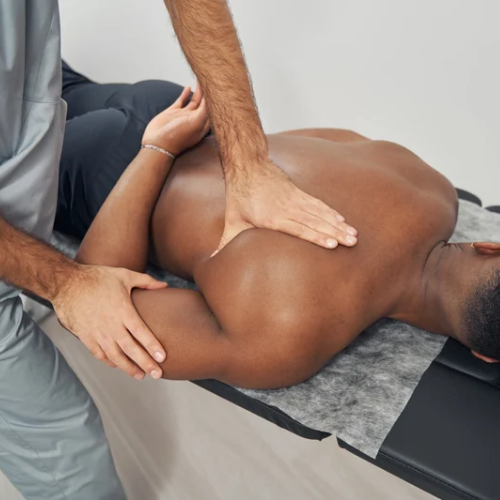
You leave your chiropractic appointment and head back to a busy day. Perhaps your neck feels easier to turn, or your back feels more comfortable. Before you jump into errands, work, or your usual workout, there is one important step to take:
Follow the personalized aftercare plan your provider recommends.
That may sound simple, but knowing what to do between appointments gives your treatment a practical place in your everyday routine. Especially after an accident, your next steps should reflect your injury, symptoms, and stage of recovery.
Why Your Aftercare Plan Matters
An appointment gives your provider an opportunity to assess your symptoms and deliver appropriate treatment. Afterward, you return to the activities that fill most of your week: sitting, driving, lifting, sleeping, and working.
Your aftercare plan helps you understand how to approach those activities. It can also clarify which symptoms to monitor and when to request another assessment.
There is no single routine that suits every chiropractic patient. Someone recovering from a recent collision may need different guidance from someone returning to exercise after a longer recovery.
Ask What Your Plan Means for Today
Before leaving the office, ask a direct question: “What should I do when I get home?”
Make sure you understand any recommended exercises, temporary activity changes, and follow-up instructions. If your job involves lifting or hours behind the wheel, explain those demands so your provider can address them.
Ask for written instructions if that would help. A plan is easier to follow when you can check the details later instead of relying on memory.
Put Recommended Movement Into Your Routine
For many people with back pain, staying appropriately active is preferable to prolonged bed rest. However, the amount and type of activity should match your condition. niams.nih.gov
If your provider recommends walking or home exercises, clarify how often to do them and what level of discomfort should prompt you to stop. Avoid adding challenging stretches or heavy workouts simply because you feel better after your visit.
Choose a realistic time for your prescribed routine. Consistency starts with making the instructions manageable.
Pay Attention to Your Response
Following an aftercare plan also means communicating when something changes.
Notice whether everyday tasks become easier and whether specific activities increase discomfort. A brief note about your symptoms can help you explain what happened without trying to recall every detail at your next appointment.
If an exercise worsens your symptoms, contact your provider for guidance. You do not need to push through pain to prove that you are committed to recovery.
Review Progress Instead of Guessing
Ask what improvement you should reasonably expect and when your plan should be reassessed. Follow-up care should respond to your progress, concerns, and functional goals.
If symptoms persist or worsen, discuss whether another evaluation or a different approach is appropriate. Following a plan includes revisiting it when your needs change.
Take Your Next Step With Accident Injury 5280
After a chiropractic visit, give yourself a clear answer to “What happens next?” Understand your aftercare instructions, put them into practice, and keep your provider informed.
Accident Injury 5280 focuses on accident-related injuries in the Denver area. If discomfort after a collision, workplace accident, or fall is affecting your routine, contact the team to discuss an assessment and a personalized recovery plan.