
Turning your head to check traffic. Bending down to tie your shoes. Sitting comfortably through a workday. After a car accident, movements you rarely thought about can suddenly become difficult.
Recovering from an auto injury involves more than getting through the initial soreness. It also means restoring the movement, strength, and confidence needed for everyday life. Chiropractic care may support that process when it includes appropriate assessment, individualized treatment, and active rehabilitation.
If you are searching for a Car Accident Chiropractor Denver, understanding what mobility-focused care can—and cannot—do will help you make an informed decision.
How an Auto Injury Can Affect Your Movement
The sudden forces of a collision can injure muscles, ligaments, and other structures that support your neck and back. Whiplash, for example, can cause neck stiffness, headaches, and difficulty turning your head. Symptoms may take several hours to appear, so feeling comfortable immediately after a crash does not necessarily mean you are uninjured.
You might notice that looking over your shoulder feels uncomfortable or that reaching for something causes you to tense up. These changes deserve attention, particularly when they persist or interfere with normal activities.
An evaluation helps establish what is limiting your movement and whether conservative treatment is appropriate.
Can Chiropractic Care Prevent Lasting Mobility Problems?
Chiropractic care cannot guarantee that an injury will resolve or that long-term limitations will be prevented. Evidence also does not establish spinal adjustments alone as a reliable way to prevent chronic problems after whiplash.
However, an appropriate care plan can support recovery by encouraging safe activity, addressing movement limitations, and monitoring progress. Whiplash guidelines emphasize staying active and using targeted exercises. Evidence for manual therapy is more limited, so hands-on treatment should complement recommended care and continue only when it produces measurable benefits.
The goal is practical: help you return to daily activities with greater comfort and independence.
Start With an Assessment of the Injury
Treatment should begin with understanding your symptoms, medical history, and the circumstances of the collision.
Tell your provider about any emergency care you received, previous neck or back problems, medications, and changes in your ability to work, sleep, or drive. Be specific about movements that trigger symptoms.
A useful evaluation should answer several questions:
-
Which movements are restricted or painful?
-
Are there symptoms that require additional medical evaluation?
-
What activities can you safely continue?
-
How will improvement be measured?
Depending on the findings, your provider may recommend conservative care, further testing, or referral to another healthcare professional.
Make Active Recovery Part of the Plan
Rest can feel appealing when movement hurts. After an appropriate assessment, however, prolonged inactivity is generally discouraged for uncomplicated whiplash. Continuing manageable daily activities and gradually rebuilding movement are central parts of recovery.
A mobility-focused rehabilitation plan may include exercises that address:
-
Comfortable neck movement.
-
Muscle control and endurance.
-
Strength needed for daily tasks.
-
Gradual return to usual activities.
Whiplash guidelines recommend range-of-motion, low-load muscle activation, postural endurance, and strengthening exercises. The selection and progression should reflect your symptoms and clinical findings.
This is where your participation matters. Understanding how to move between appointments gives you a role in recovery beyond receiving treatment.
Use Hands-On Care Selectively
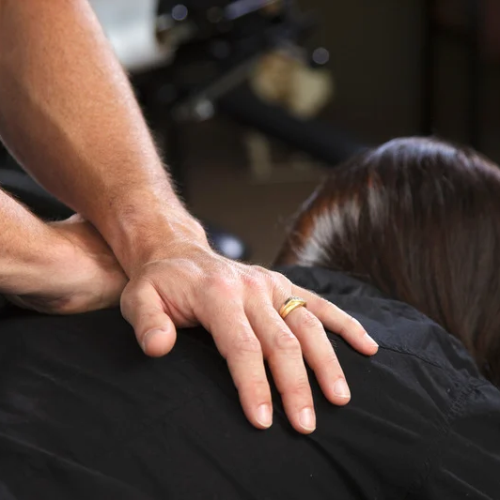
Chiropractic treatment may include joint mobilization or spinal manipulation when clinically appropriate. These techniques are different, and a treatment plan should explain which approach is being considered and why.
Hands-on care should have a clear purpose, such as helping you tolerate movement or participate in rehabilitation. For whiplash, limited evidence means its value should be judged by your actual response rather than an assumption that every patient needs it.
Discuss potential benefits, alternatives, and risks before treatment. Temporary soreness can occur after spinal manipulation. Rare serious complications have also been reported, including neurological problems and arterial injuries associated with neck manipulation, making careful assessment and informed consent essential.
Measure Recovery Through Everyday Tasks
A lower pain score is useful, but mobility recovery should also show up in daily life.
Can you turn your head more comfortably? Sit through a meeting with fewer breaks? Reach overhead without stopping? Return to walking or household tasks with greater confidence?
Choose meaningful goals with your provider and review them regularly. If your function is not improving, or symptoms worsen, the plan should be reassessed. Continuing the same treatment indefinitely without demonstrable benefit does not serve your recovery.
For anyone comparing options for a Car Accident Chiropractor Aurora CO, questions about functional goals, home exercises, and reassessment can help clarify a provider’s approach.
Know When Medical Attention Comes First
Some symptoms after a collision require prompt medical evaluation before chiropractic treatment. These include new weakness, tingling, difficulty walking, or severe neck pain that is not controlled. Such symptoms may indicate nerve involvement or another injury requiring further assessment.
Do not assume that every post-accident symptom is routine soreness. Tell your healthcare provider about new or changing symptoms throughout your recovery.
Take the Next Step Toward Better Movement
At Accident Injury 5280, Dr. Braheem Tolbert and the team focus on accident-related injuries and offer personalized care plans. The practice also provides a free 10-minute consultation to discuss your concerns and possible next steps.
Whether stiffness is affecting your commute, your workday, or time with family, start by understanding the injury and setting clear recovery goals.
Visit Accident Injury 5280 to request your consultation and discuss a plan focused on restoring everyday movement.