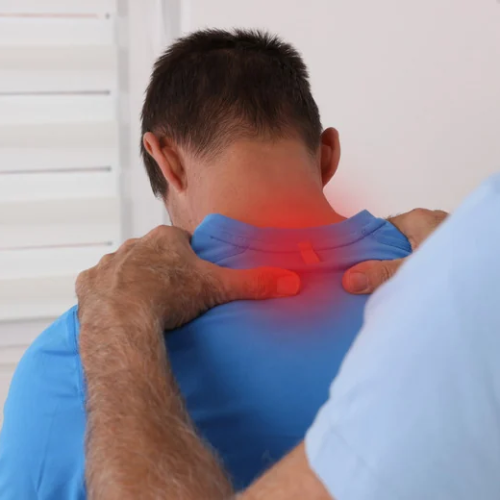
Turning your head to check traffic. Bending down to tie your shoes. Reaching for a coffee mug. These everyday movements rarely get a second thought—until stiffness makes them uncomfortable.
After an accident, limited movement can affect your work, sleep, and confidence in doing ordinary activities. You may find yourself moving cautiously or avoiding tasks that once felt effortless.
The path forward starts with understanding why movement has become difficult. If you are looking for a chiropractor in Denver, an individualized assessment can help determine whether conservative care is appropriate and what steps may support your recovery.
What Does Range of Motion Mean?
Range of motion describes how far a joint can move in a particular direction. Your neck, shoulders, back, and other joints each need enough comfortable movement to perform daily tasks.
Reduced range of motion might show up as difficulty looking over your shoulder, lifting an arm overhead, or bending comfortably. Sometimes pain limits movement. In other cases, tightness or a feeling of resistance is the main concern.
Improving mobility means working toward movements that matter in your life. For one person, that may be sitting comfortably through a workday. For another, it may mean returning to a favorite walking route.
Start by Understanding the Stiffness
Stiffness is a symptom rather than a diagnosis. Following an accident, it should be assessed in the context of your injury, medical history, and other symptoms.
A useful evaluation explores questions such as:
-
When did the stiffness begin?
-
Which movements feel restricted?
-
Is the problem improving, worsening, or staying the same?
-
Does discomfort travel into an arm or leg?
-
How does it affect sleep, work, or daily activities?
These details help guide the next step. Some people may benefit from conservative treatment, while others need additional medical evaluation before hands-on care begins.
How Chiropractic Care May Support Comfortable Movement
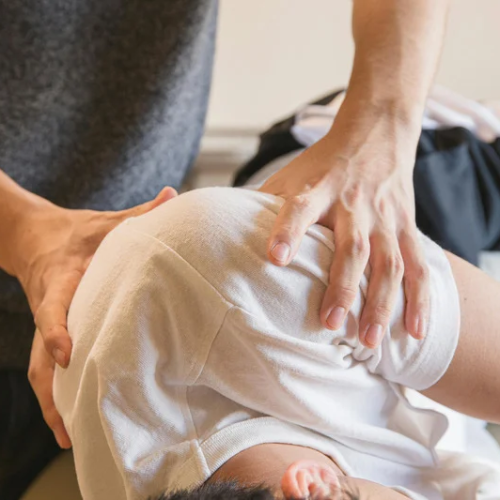
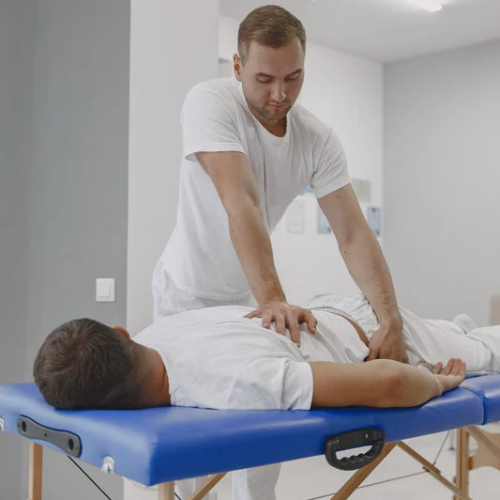
Chiropractic care can include more than spinal adjustments. Depending on the diagnosis and provider, a conservative plan may involve manual therapy, exercise guidance, and advice about daily activity.
Research suggests spinal manipulation may offer small improvements in pain and function for some people with low-back pain. Evidence for certain neck-pain conditions also suggests potential benefits, although results and study quality vary. Treatment should be selected for your condition rather than applied automatically.
An important part of care is reviewing progress. Being able to turn your head more comfortably or get through daily activities with fewer limitations can be more meaningful than how you feel immediately after an appointment.
Natural Ways to Support Mobility Between Visits
A nondrug approach often involves gradual, consistent activity. Your provider can help you choose movements that fit your condition and stage of recovery.
Keep Everyday Movement Manageable
For many uncomplicated back-pain conditions, staying active is preferable to prolonged bed rest. Short walks and manageable daily activities may be a practical starting point, with adjustments based on your symptoms and medical advice.
You do not need to make up for lost activity in one session. Choose an amount you can tolerate and build from there.
Use Exercises Selected for Your Needs
Someone with neck stiffness may need a different exercise plan from someone with restricted shoulder movement or lower-back pain.
A clinician may recommend mobility exercises alongside strengthening work. For back pain, physical therapy can help strengthen supporting muscles and improve mobility. The right plan depends on the underlying problem and your abilities.
Avoid forcing a stretch to reach an arbitrary target. Exercises should not make your existing back pain worse overall; seek advice if a movement causes worsening symptoms.
Make Your Routine Easier to Follow
A useful home plan should fit your day. Ask your provider how to adapt recommended exercises around work, driving, and other responsibilities.
Keep brief notes about what becomes easier and what remains difficult. This gives you something specific to discuss at follow-up appointments and helps your provider judge whether the plan needs to change.
“Natural” Care Still Requires Informed Decisions
Choosing a nondrug treatment does not remove the need to consider risks.
Spinal manipulation can cause temporary soreness, stiffness, or increased discomfort. Rare serious complications can occur, and neck manipulation has been associated with tears in neck arteries. Discuss your health history, treatment alternatives, and relevant risks before proceeding.
A good treatment discussion should leave you understanding why a particular approach is being recommended and how its results will be assessed.
When Stiffness Needs Medical Attention
Stiffness accompanied by new weakness, loss of bladder or bowel control, or fever requires prompt medical attention. Severe symptoms or neurological changes should be evaluated before starting exercises or manual treatment.
If stiffness began after an accident, tell your provider about the incident even if you initially felt well.
Find Accident-Focused Chiropractic Care in Denver
You deserve a clear explanation of your symptoms and a plan built around your recovery goals.
Accident Injury 5280 focuses on accident-related injuries, including those arising from car crashes, workplace accidents, and falls. The practice offers personalized chiropractic care and services for whiplash and neck discomfort.
If you are searching for a chiropractor in Denver to discuss stiffness following an accident, call (720) 735-3121 or visit Accident Injury 5280 to schedule a free 10-minute consultation. Take the first step toward understanding your limitations and moving more comfortably.